Service design only works when organisations know how to use it. Across multiple client organisations and at Tribal Experience (as their first-ever Service Designer), I helped shift teams from relying on external delivery to owning the methods, decisions, and clarity themselves.
This wasn’t a project. It was organisation design, culture change, and capability-building at scale.
Challenge
Across teams, I saw the same patterns:
Service design was misunderstood or inconsistently applied
No shared language, tools, or frameworks
Heavy dependence on external consultants
Designers lacked career clarity or growth pathways
Leaders wanted design thinking, but structures didn’t support it
My role was to move organisations from scattered, inconsistent practice to mature, repeatable, scalable service design capability.
My contribution
1. Reframed the role of service design
One of the first breakthroughs came when I shifted conversations from
“we need designers to fix this” to “we need service design mindset to solve this ourselves.”
This reframing unlocked leadership buy-in.
2. Created foundational structures
At Tribal Experience, this meant building the discipline from scratch:
Established the first Community of Practice
Co-created the first Service Design Career Framework, which inspired UX and Research to build theirs
Introduced rituals such as crits, playbacks, method libraries, and lunch-and-learns
These became the backbone of how the design team now works.
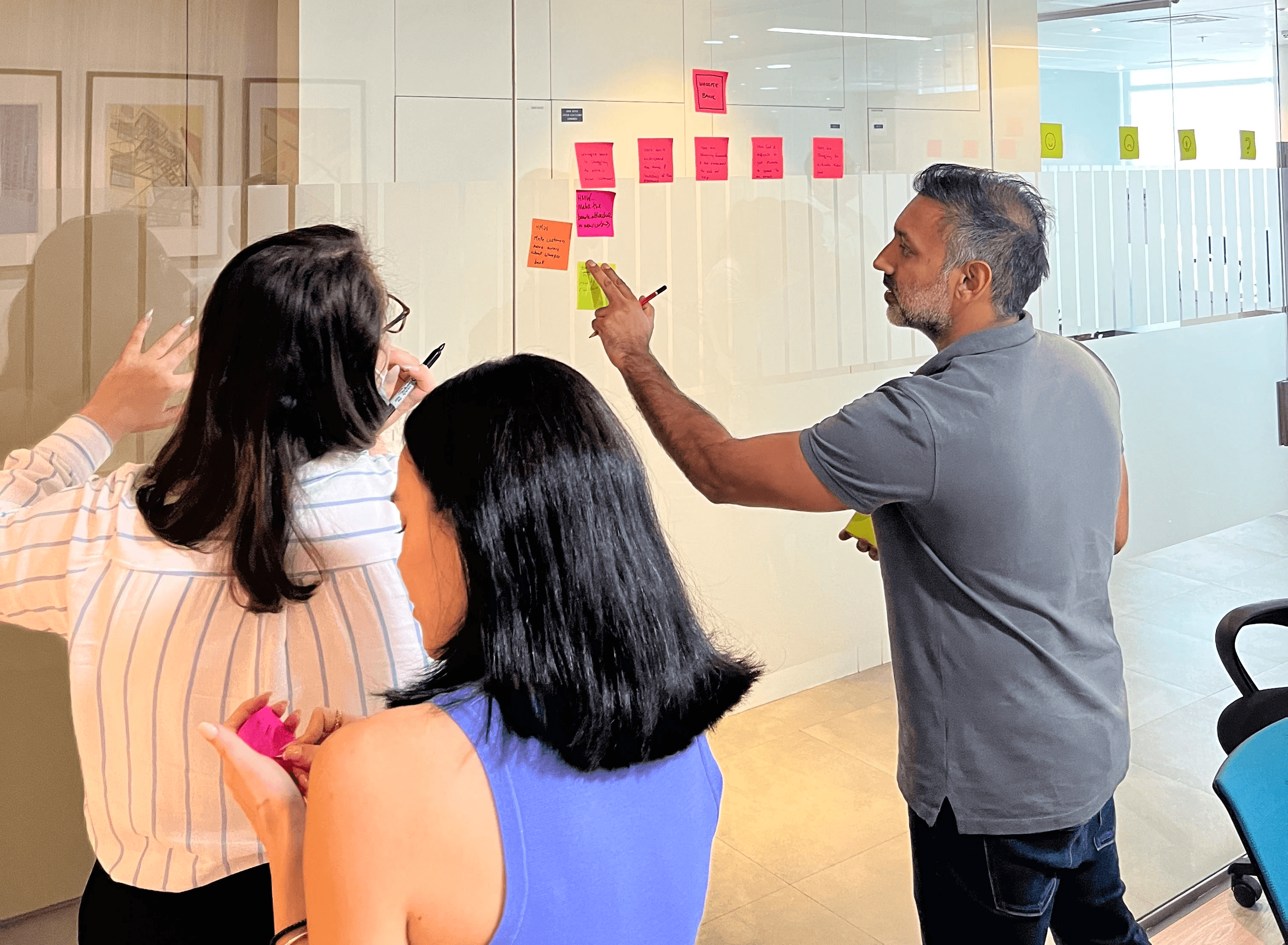
3. Designed tailored capability programmes
I embedded design in real work — not theoretical training:
Hands-on coaching in research, facilitation, blueprinting, and prototyping
Leadership coaching to shift decision-making from deliverables → outcomes
Governance structures to make design part of how work happens, not a one-off activity
4. Built teams and raised standards
I grew Tribal’s team from 3 to 6 designers, managed contractors, co-led hiring decisions, and created onboarding structures that uplifted baseline delivery standards.
5. Embedded sustainable change
Across ministries, I helped teams run their own research, workshops, prototypes, and service improvements.
The real impact came when teams began saying:
“We can run this ourselves.”
Breakthrough
A senior leader realised the “design problem” was actually a governance and alignment problem, not a UX one, unlocking a new operating model.
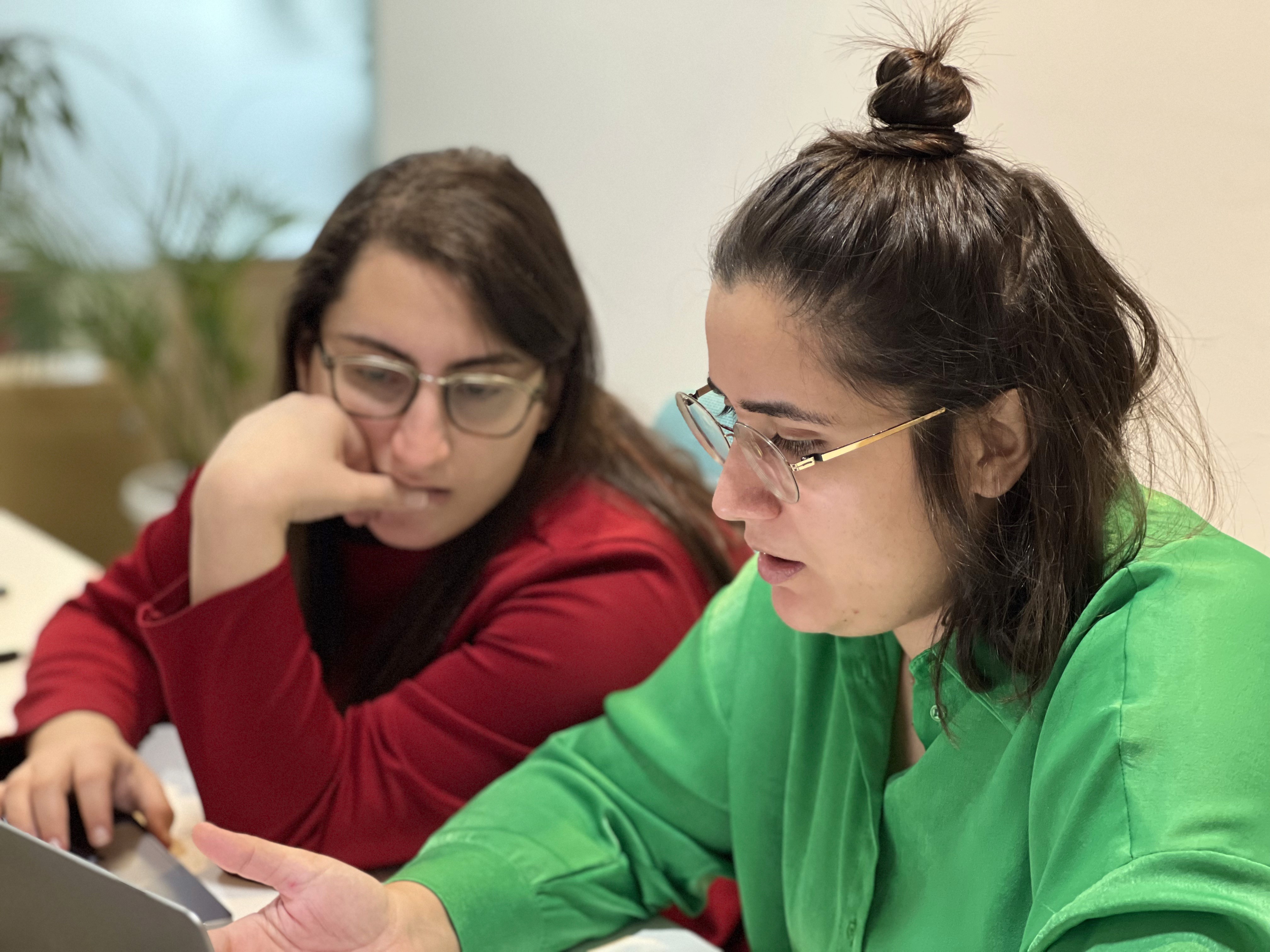
Designers who initially lacked confidence began independently facilitating cross-agency workshops.
Other disciplines (UX, Research) built their own frameworks inspired by the Service Design model — a sign of cultural adoption.
Outcomes
Across Government & Organisations:
New in-house service design teams formed and scaled
Internal teams running their own research, journey mapping, and prototyping
Clearer governance and decision-making structures
Reduced dependency on external vendors
Higher confidence and maturity across departments
At Tribal Experience:
Service design became a strategic discipline
First CoP + first career framework fully launched
Team scaled with stronger onboarding and shared ways of working
Design maturity raised across the company
Reflection
This work confirmed that capability outlasts any project. The real impact wasn’t a service blueprint or a prototype. It was creating the foundation for organisations to design better services long after I’m gone. Capability-building is change management, not training. It starts with reframing how an organisation sees itself, and ends with people feeling empowered to design their own future.
Why empowered teams design better futures than any blueprint.
Building Service Design
Capability Across
Organisations
Multiple clients & Tribal Experience
Why empowered teams design better futures than any blueprint.
Building Service Design
Capability Across
Organisations
Multiple clients & Tribal Experience
Why empowered teams design better futures than any blueprint.
Building Service Design
Capability Across
Organisations
Multiple clients & Tribal Experience
Challenge
My contribution
Breakthrough
Outcomes
Reflection
Service design only works when organisations know how to use it. Across multiple client organisations and at Tribal Experience (as their first-ever Service Designer), I helped shift teams from relying on external delivery to owning the methods, decisions, and clarity themselves.
This wasn’t a project. It was organisation design, culture change, and capability-building at scale.
Service design only works when organisations know how to use it. Across multiple client organisations and at Tribal Experience (as their first-ever Service Designer), I helped shift teams from relying on external delivery to owning the methods, decisions, and clarity themselves.
This wasn’t a project. It was organisation design, culture change, and capability-building at scale.
Challenge
Across teams, I saw the same patterns:
Service design was misunderstood or inconsistently applied
No shared language, tools, or frameworks
Heavy dependence on external consultants
Designers lacked career clarity or growth pathways
Leaders wanted design thinking, but structures didn’t support it
My role was to move organisations from scattered, inconsistent practice to mature, repeatable, scalable service design capability.
My contribution
1. Reframed the role of service design
One of the first breakthroughs came when I shifted conversations from
“we need designers to fix this” to “we need service design mindset to solve this ourselves.”
This reframing unlocked leadership buy-in.
2. Created foundational structures
At Tribal Experience, this meant building the discipline from scratch:
Established the first Community of Practice
Co-created the first Service Design Career Framework, which inspired UX and Research to build theirs
Introduced rituals such as crits, playbacks, method libraries, and lunch-and-learns
These became the backbone of how the design team now works.
3. Designed tailored capability programmes
I embedded design in real work, not theoretical training:
Hands-on coaching in research, facilitation, blueprinting, and prototyping
Leadership coaching to shift decision-making from deliverables to outcomes
Governance structures to make design part of how work happens, not a one-off activity
4. Built teams and raised standards
I grew Tribal’s team from 3 to 6 designers, managed contractors, co-led hiring decisions, and created onboarding structures that uplifted baseline delivery standards.
5. Embedded sustainable change
Across ministries, I helped teams run their own research, workshops, prototypes, and service improvements.
The real impact came when teams began saying:
“We can run this ourselves.”
1. Reframed the role of service design
One of the first breakthroughs came when I shifted conversations from
“we need designers to fix this” to “we need service design mindset to solve this ourselves.”
This reframing unlocked leadership buy-in.
2. Created foundational structures
At Tribal Experience, this meant building the discipline from scratch:
Established the first Community of Practice
Co-created the first Service Design Career Framework, which inspired UX and Research to build theirs
Introduced rituals such as crits, playbacks, method libraries, and lunch-and-learns
These became the backbone of how the design team now works.
3. Designed tailored capability programmes
I embedded design in real work, not theoretical training:
Hands-on coaching in research, facilitation, blueprinting, and prototyping
Leadership coaching to shift decision-making from deliverables to outcomes
Governance structures to make design part of how work happens, not a one-off activity
4. Built teams and raised standards
I grew Tribal’s team from 3 to 6+ designers, managed contractors, co-led hiring decisions, and created onboarding structures that uplifted baseline delivery standards.
5. Embedded sustainable change
Across ministries, I helped teams run their own research, workshops, prototypes, and service improvements.
The real impact came when teams began saying:
“We can run this ourselves.”
Breakthrough
A senior leader realised the “design problem” was actually a governance and alignment problem, not a UX one, unlocking a new operating model.
Designers who initially lacked confidence began independently facilitating cross-agency workshops.
Other disciplines (UX, Research) built their own frameworks inspired by the Service Design model, a sign of cultural adoption.
Outcomes
Across Government & Organisations:
New in-house service design teams formed and scaled
Internal teams running their own research, journey mapping, and prototyping
Clearer governance and decision-making structures
Reduced dependency on external vendors
Higher confidence and maturity across departments
At Tribal Experience:
Service design became a strategic discipline
First CoP + first career framework fully launched
Team scaled with stronger onboarding and shared ways of working
Design maturity raised across the company
Reflection
This work confirmed that capability outlasts any project. The real impact wasn’t a service blueprint or a prototype, it was creating the foundation for organisations to design better services long after I’m gone. Capability-building is change management, not training. It starts with reframing how an organisation sees itself, and ends with people feeling empowered to design their own future.